Hullmark's Rooftop Honey Bees
Thousands of honeybees work the rooftops above Queen West: Hullmark’s urban apiaries, quietly pollinating the neighbourhood.
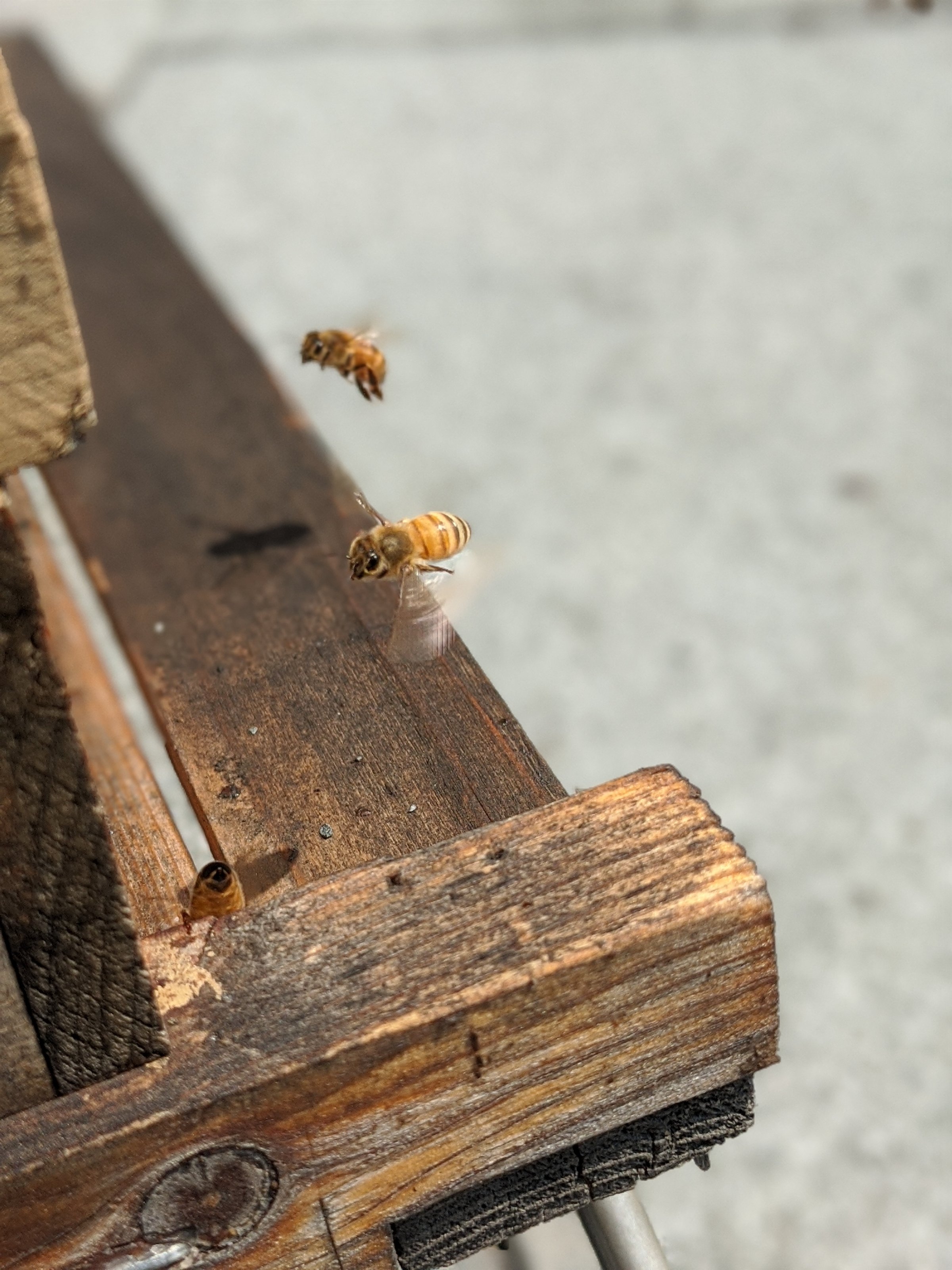
Perched above 619 Queen Street West, a quieter set of occupants is hard at work. In partnership with Alvéole, the rooftop beehives at the building connect the property directly to the surrounding urban canopy
While downtown rooftops might seem like an unexpected refuge for pollinators, city hives flourish. With access to Toronto's extensive ravine system, tree canopy, and neighborhood gardens, a single hive's foraging radius extends nearly 5 kilometers in every direction.
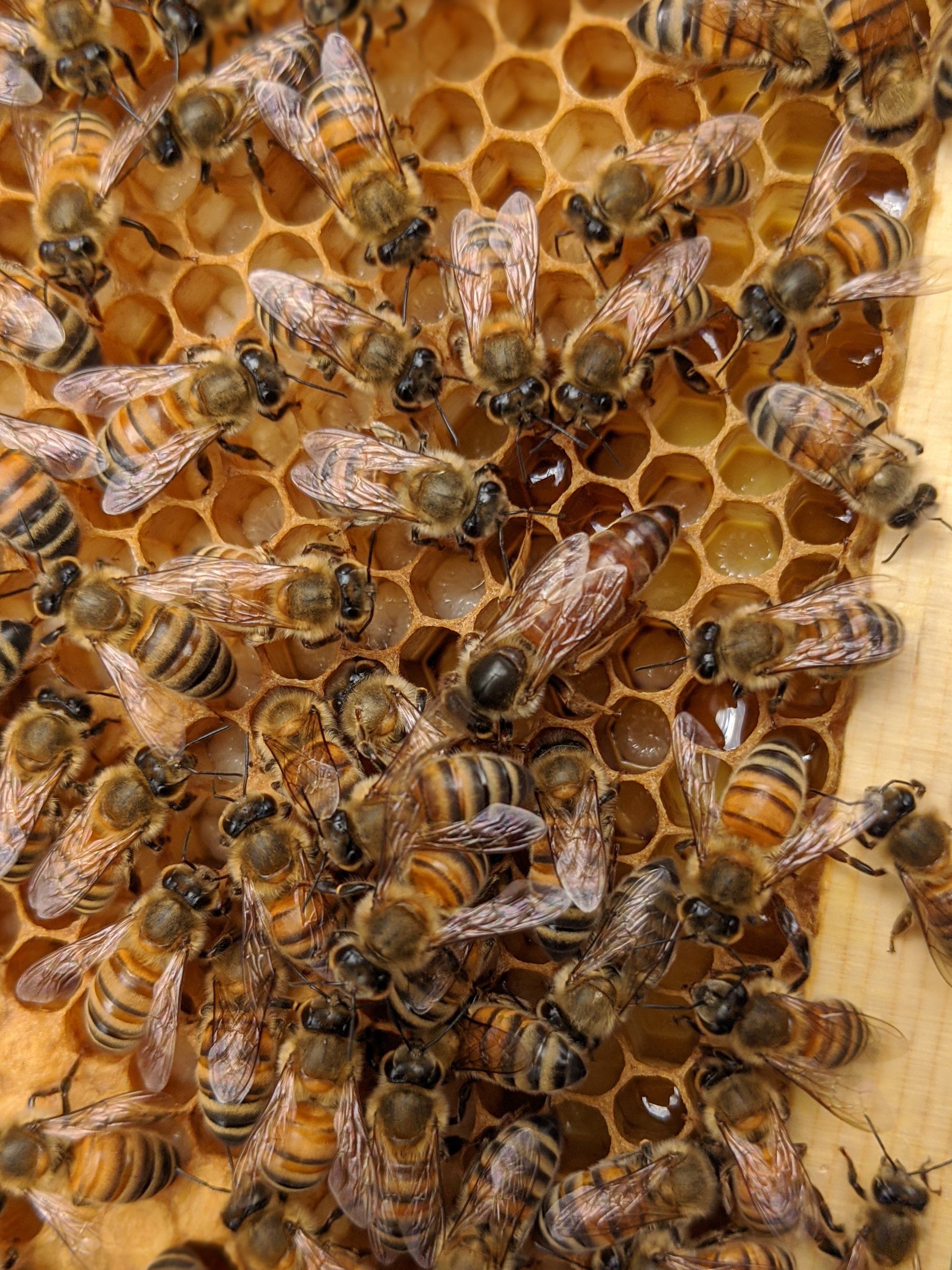
The presence of urban honeybees delivers measurable ecological and community value:
Micro-Pollination: Bees actively support local biodiversity, pollinating thousands of flowering plants, parklands, and residential gardens across West Queen West and nearby green pockets.
Bioindicators for the Neighborhood: Honeybees act as natural environmental sampling tools. Through trace eDNA analysis of the harvested honey, Alvéole tracks surrounding plant species diversity and monitors local floral health.
Stepping-Stone Habitats: Placing managed hives on commercial structures transforms underutilized roof space into ecological nodes, helping build green corridors through dense urban environments.
Wild Pollinator Awareness: Responsible urban apiculture serves as a gateway for broader conservation. By pairing managed hives with native plantings, the program helps build awareness around protecting Toronto’s wild bee species.
Integrating nature into commercial architecture isn't just a design gesture - it's a commitment to the local ecosystem right outside our doors.
Next Story
Spencer Badu: Redefining the Uniform
How the Toronto-based designer is carving out a new design language at the intersection of heritage, utility, and contemporary craft.