Tenant Story
New School Foods: Engineering the Future of Food
Chris Bryson built a 28,000-square-foot plant at The Radiator to solve one of the hardest challenges in alternative protein: raw-to-cook seafood.
After building and selling his e-commerce platform Unata to Instacart in 2018, tech entrepreneur Chris Bryson turned his focus toward an entirely different domain: sustainable food systems. Spotting a distinct gap in the market, Bryson noticed that while ground and processed plant-based alternatives had proliferated, convincing whole-cut meats, specifically seafood, remained largely unsolved.
In 2020, he founded New School Foods to build a raw-to-cook plant-based salmon fillet that matches traditional seafood. From its home at the Radiator, the company has been able to bring food science, engineering, culinary development, and manufacturing together under one roof.
"To move the needle, you can't ask people to settle for ground paste. You have to match the full sensory experience of a real fillet."
- Chris Bryson, Founder & CEO, New School Foods
Rather than relying on high-heat extrusion, a standard industry method that effectively cooks ingredients before they reach the consumer, New School Foods developed a proprietary manufacturing platform. By partnering with Canadian university researchers across Toronto Metropolitan University, McGill University, and the University of Guelph, the company engineered a process combining layered biological scaffolding with directional freezing.
This approach replicates the muscle fibers and connective tissues found in wild salmon. The result is a plant-based fillet that stays raw until cooked, allowing chefs to sear, bake, or grill it using traditional culinary techniques.
"Most plant-based options arrive pre-cooked. We engineered ours to start raw so it actually behaves like fish on the grill."
- Chris Bryson, Founder & CEO, New School Foods
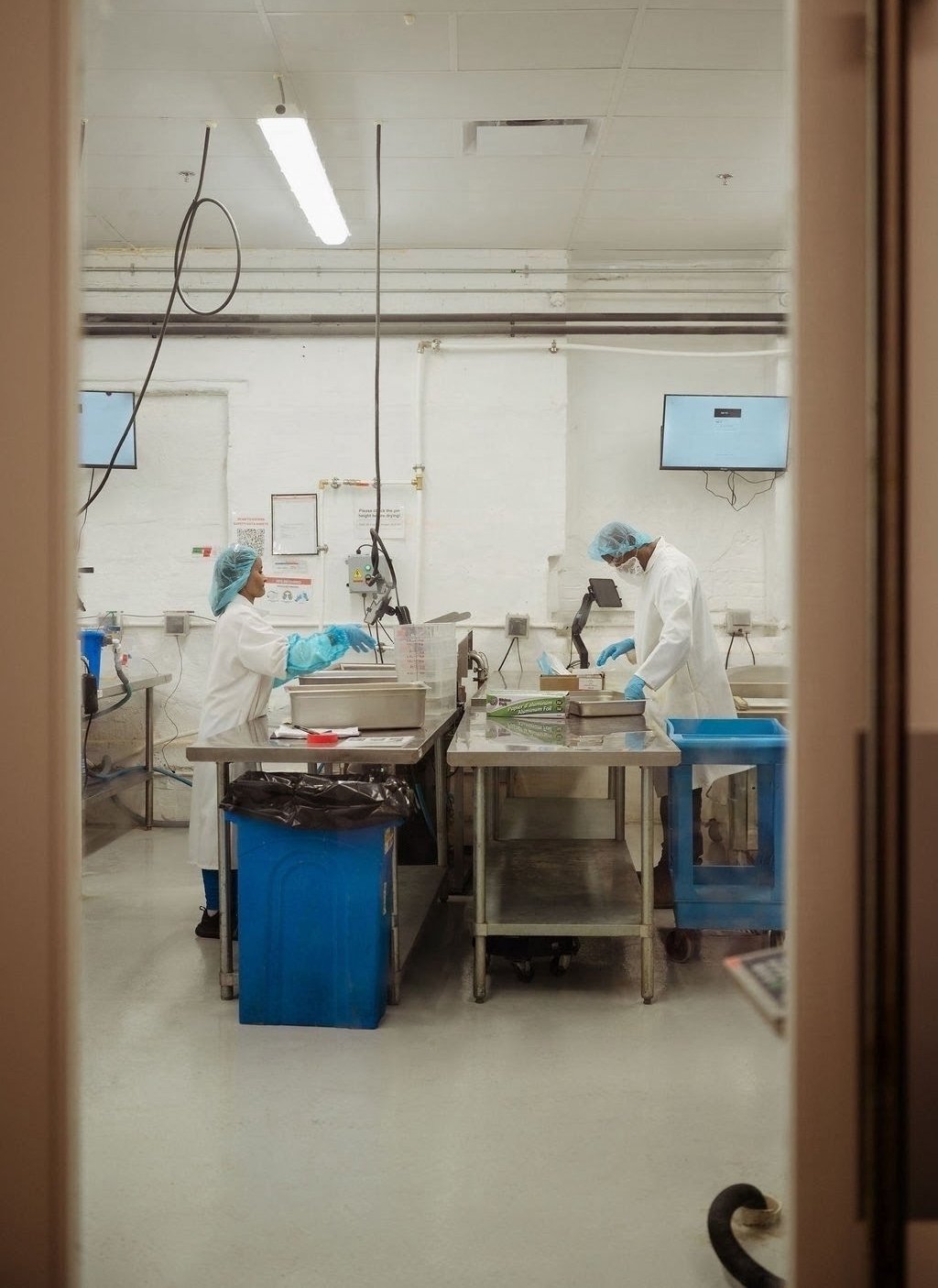
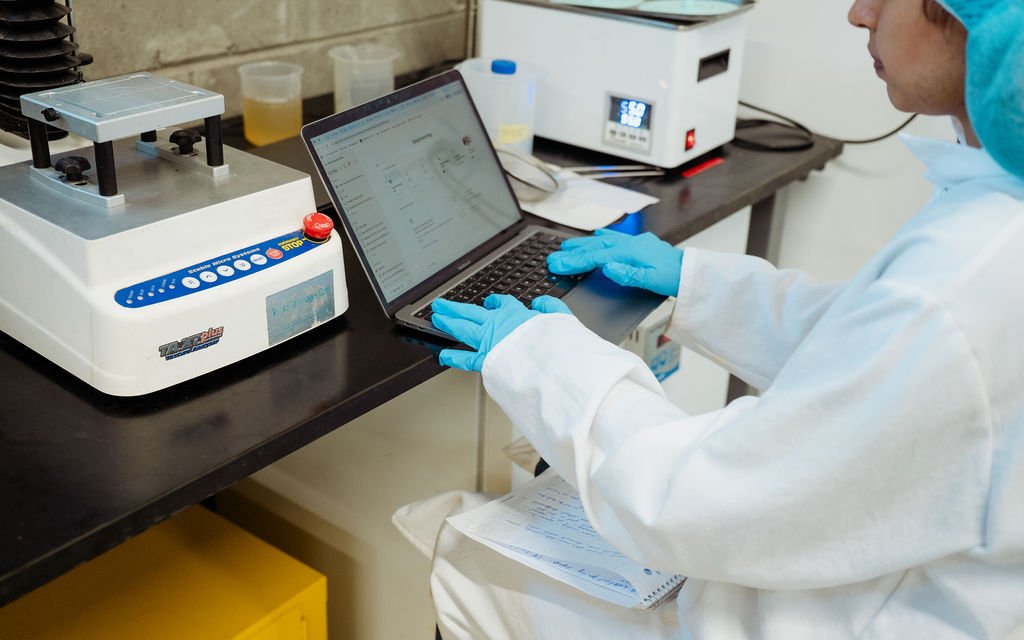
To transition from laboratory R&D to commercial scale, New School Foods secured a 28,000-square-foot pilot production facility and headquarters at The Radiator in Toronto. While many food technology startups outsource manufacturing to third-party co-packers, New School Foods operates its entire assembly line in-house. This strategy provides direct control over quality and unit costs, and it enables rapid iteration across proprietary equipment.
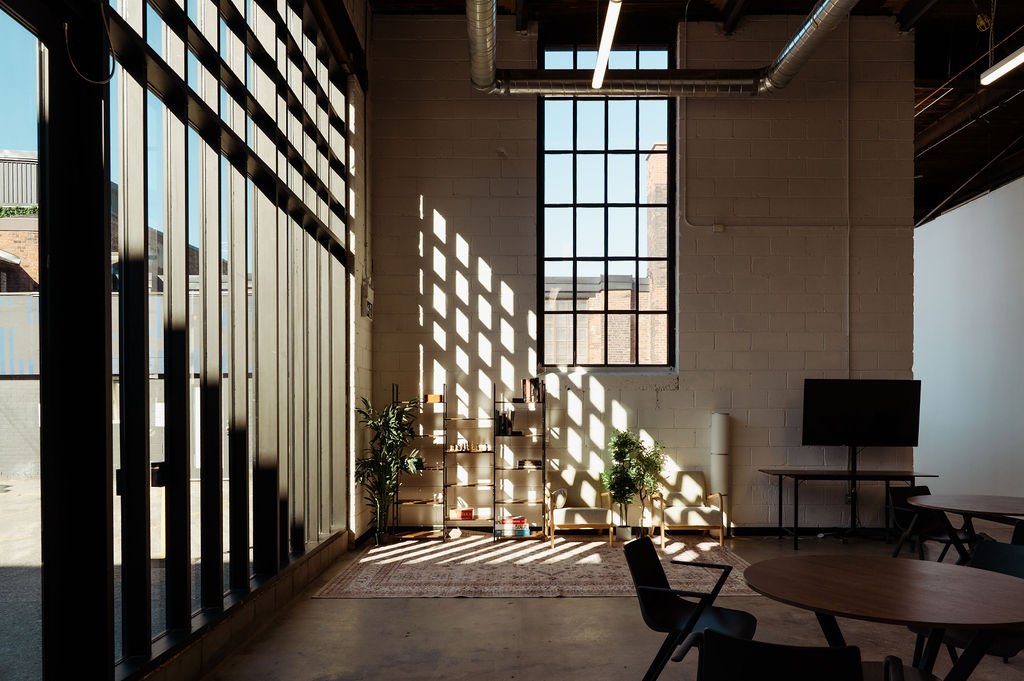
The Radiator is a light industrial space. This layout places engineers, food scientists, and culinary staff under one roof for immediate cross-department collaboration. The building provides industrial scale and spatial flexibility. The central location keeps the company near talent and partners within the Toronto ecosystem.
The teams are equipped to move quickly between experimentation, equipment design, and food preparation. Because these stages occur within a dedicated environment, the company can adjust production immediately as the technology evolves.
"Owning our process at The Radiator lets us iterate in real time. Our scientists and engineers can adapt a production line in minutes."
- Chris Bryson, Founder & CEO, New School Foods
As New School Foods prepares for broader commercial distribution across North American foodservice channels, its facility at The Radiator serves as the engine for the business. By keeping drafting, prototyping, and production local, the company is demonstrating how advanced manufacturing and sustainable innovation can take root in Toronto's urban industrial spaces.
If you would like to hear Chris Bryson detail the engineering decisions, university partnerships, and manufacturing setup behind their plant-based salmon, you can listen to this interview on Plant-Based Seafood's Next Big Bet with Chris Bryson. This discussion provides direct background on why New School Foods built their own pilot plant and how their technology differs from existing alternative protein production.
Next Story
One Academy: Redefining Functional Fitness
How co-founder Jesse Bruce and his team built Toronto’s premier hybrid fitness community, and expanded to King West.